Frequently Asked Questions
Are highland cows friendly animals?
Highland cows are indeed friendly animals. Their gentle demeanor makes them a joy to interact with at Cherry Crest Farm.
What do highland cows eat?
Highland cows eat a diet of grass and hay. They are known for their ability to thrive on rougher pastures, making them hardy and efficient grazers.
Are highland cows smart animals?
Highland cows are intelligent animals, known for their curious nature and ability to learn and adapt, making them engaging companions.
Do highland cows like cold?
Highland cows are well-suited for cold weather. Their thick, double-layered coats provide excellent insulation, allowing them to thrive in chilly climates.
Are highland cows rare animals?
Highland cows are not considered rare animals. While distinctive, they are a well-established breed with a growing presence on farms like Cherry Crest Adventure Farm.
Do highland cows have horns?
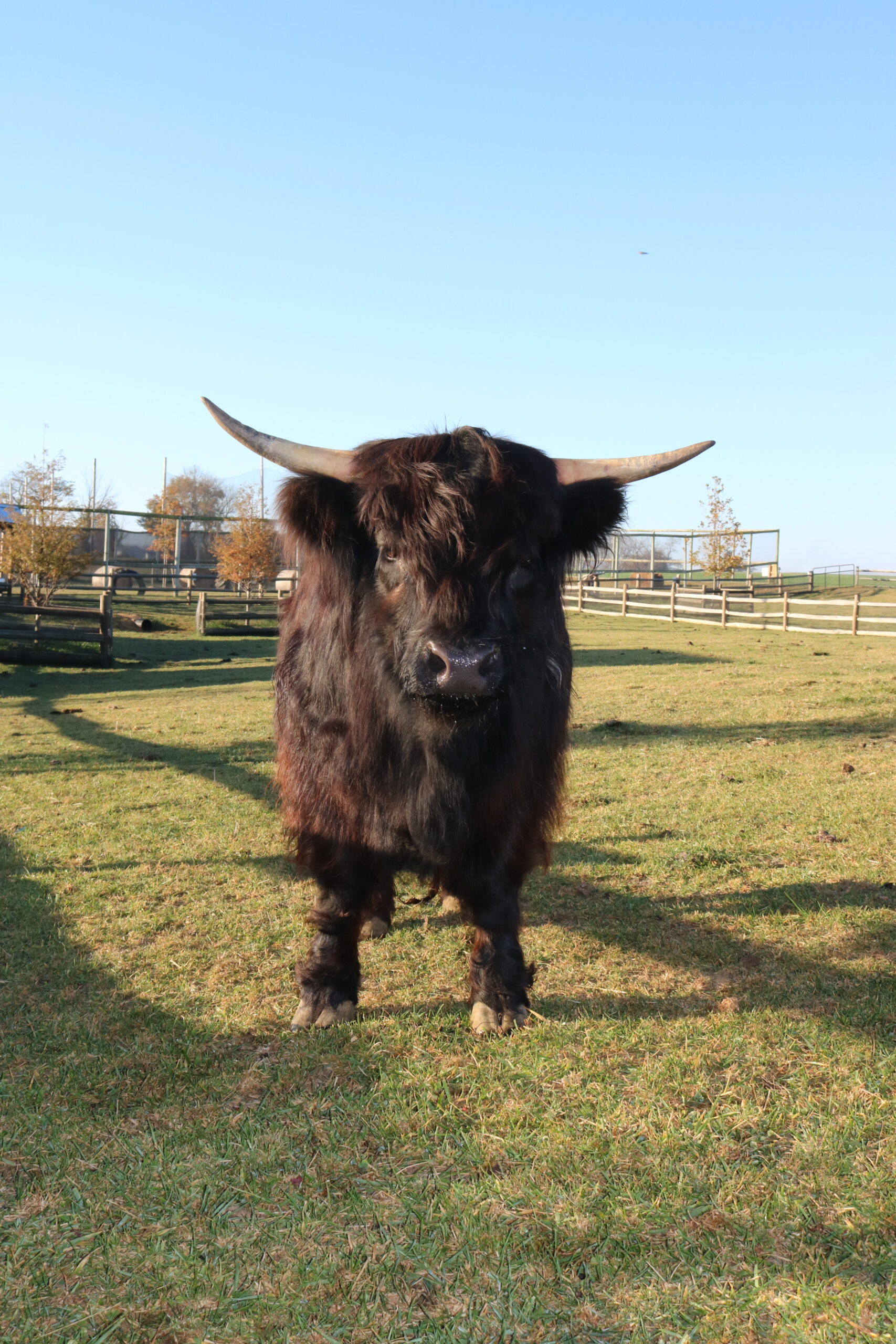
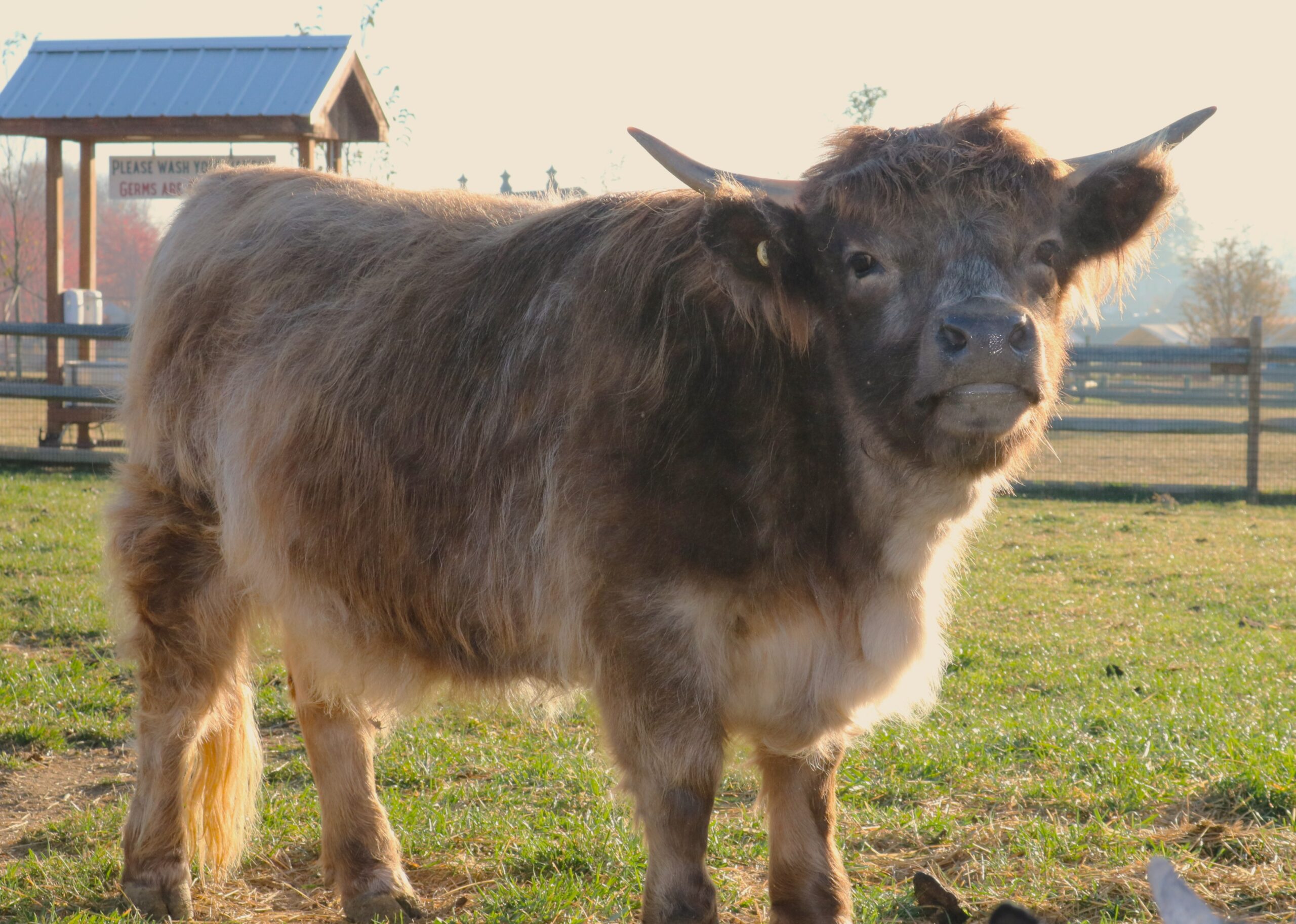
Yes, Highland cows do have horns. Both bulls and cows typically grow impressive, long horns that curve upwards.
How tall are highland cows?
Highland cows typically stand around 4 to 5 feet tall at the shoulder, making them a substantial and impressive breed.
Are highland cows social animals?
Highland cows are indeed social animals. They thrive in herds and enjoy the company of other cattle, exhibiting a gentle and friendly nature.
Are highland cows good pets?
Highland cows are known for their gentle demeanor, making them excellent, friendly pets for those with suitable space and experience.
Where are highland cows from?
Highland cows originate from the rugged, windswept Highlands and the Outer Hebrides of Scotland, where they developed their distinctive shaggy coats.
What is the lifespan of highland cows?
The lifespan of Highland cows is typically 15-20 years. These hardy and gentle animals enjoy a long and healthy life when well cared for.
How do highland cows adapt to weather?
Highland cows adapt to weather exceptionally well due to their thick, double-layered coats, which provide insulation against cold and protection from sun and rain.
What are common health issues in highland cows?
Highland cows are generally hardy, but can experience common bovine issues like parasites, hoof problems, and respiratory infections.
How do highland cows interact with humans?
Highland cows are known for their gentle and docile nature, making them friendly and approachable for human interaction at Cherry Crest Farm.
What is the average weight of highland cows?
The average weight of Highland cows varies. Bulls typically weigh between 1,500 to 2,000 pounds, while cows are usually between 900 to 1,300 pounds.
How do highland cows communicate with each other?
Highland cows communicate through a variety of vocalizations, body language, and scent. These gentle giants use moos, grunts, and bellows to express needs and emotions.
What is the best diet for highland cows?
The best diet for Highland cows is primarily grass and hay. These hardy animals thrive on forage, supplemented with minerals and fresh water, reflecting their natural grazing habits.
How do highland cows handle extreme temperatures?
Highland cows are remarkably well-adapted to extreme temperatures due to their thick, double-layered coats, allowing them to thrive in both heat and cold.
What are the unique features of highland cows?
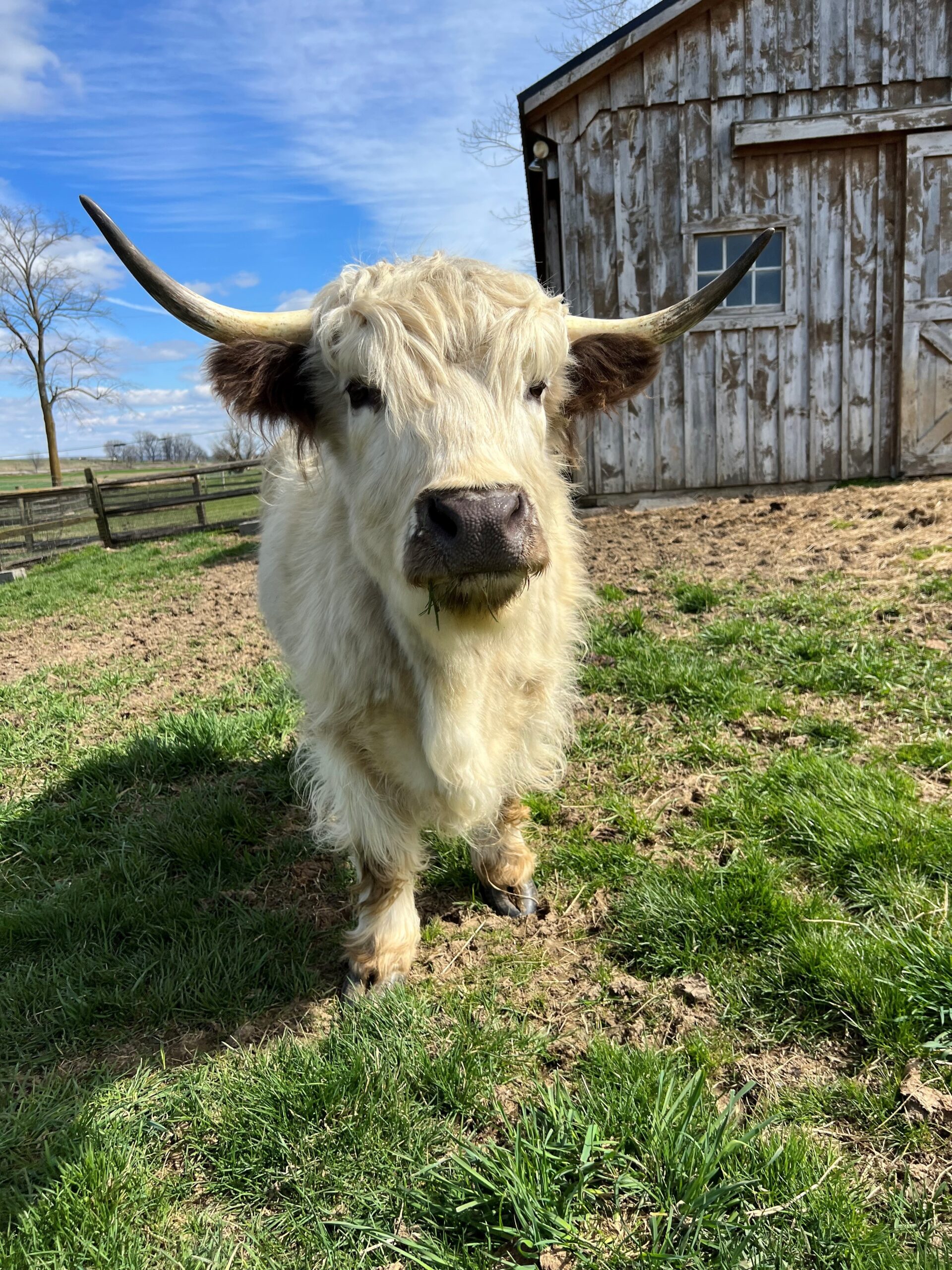
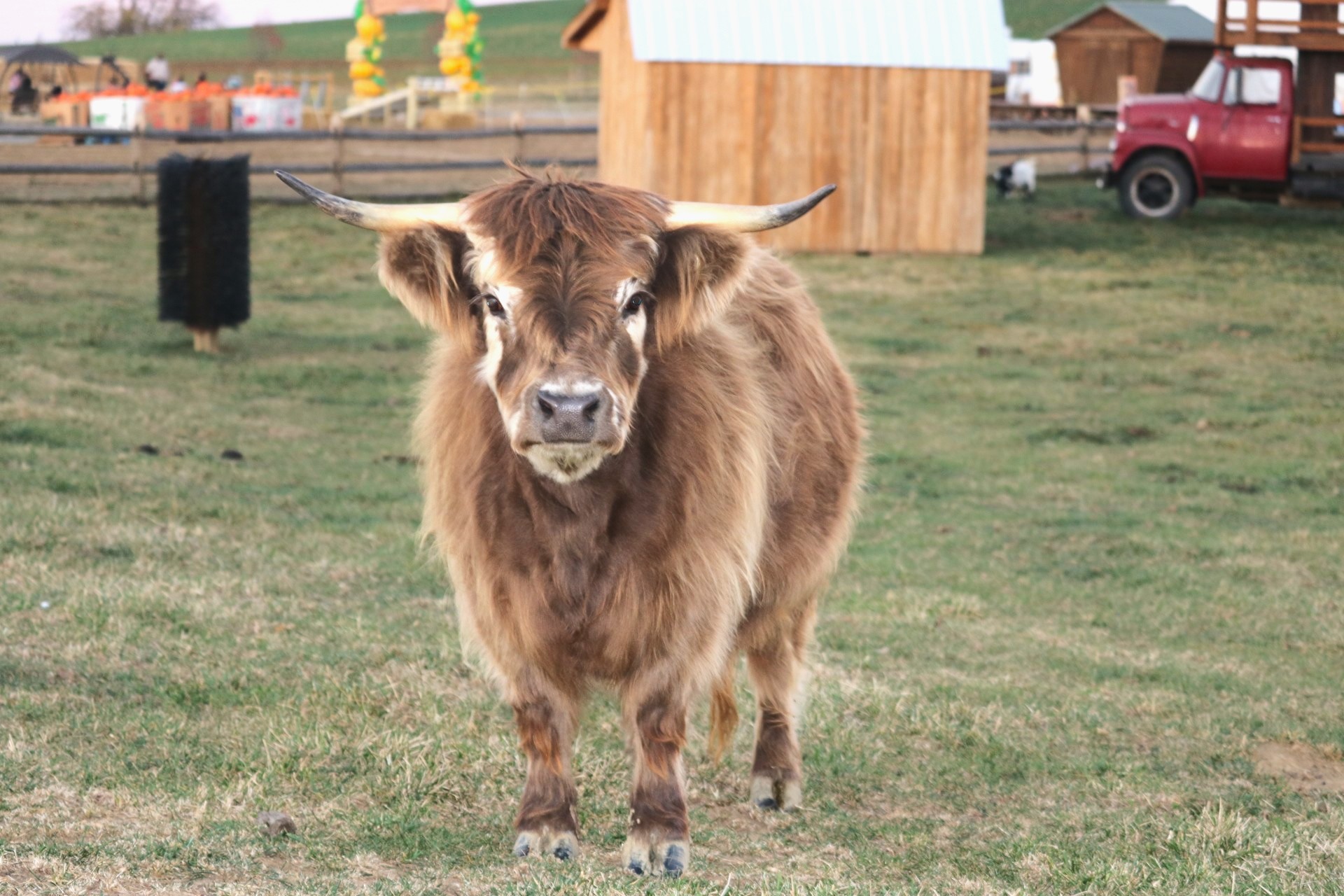
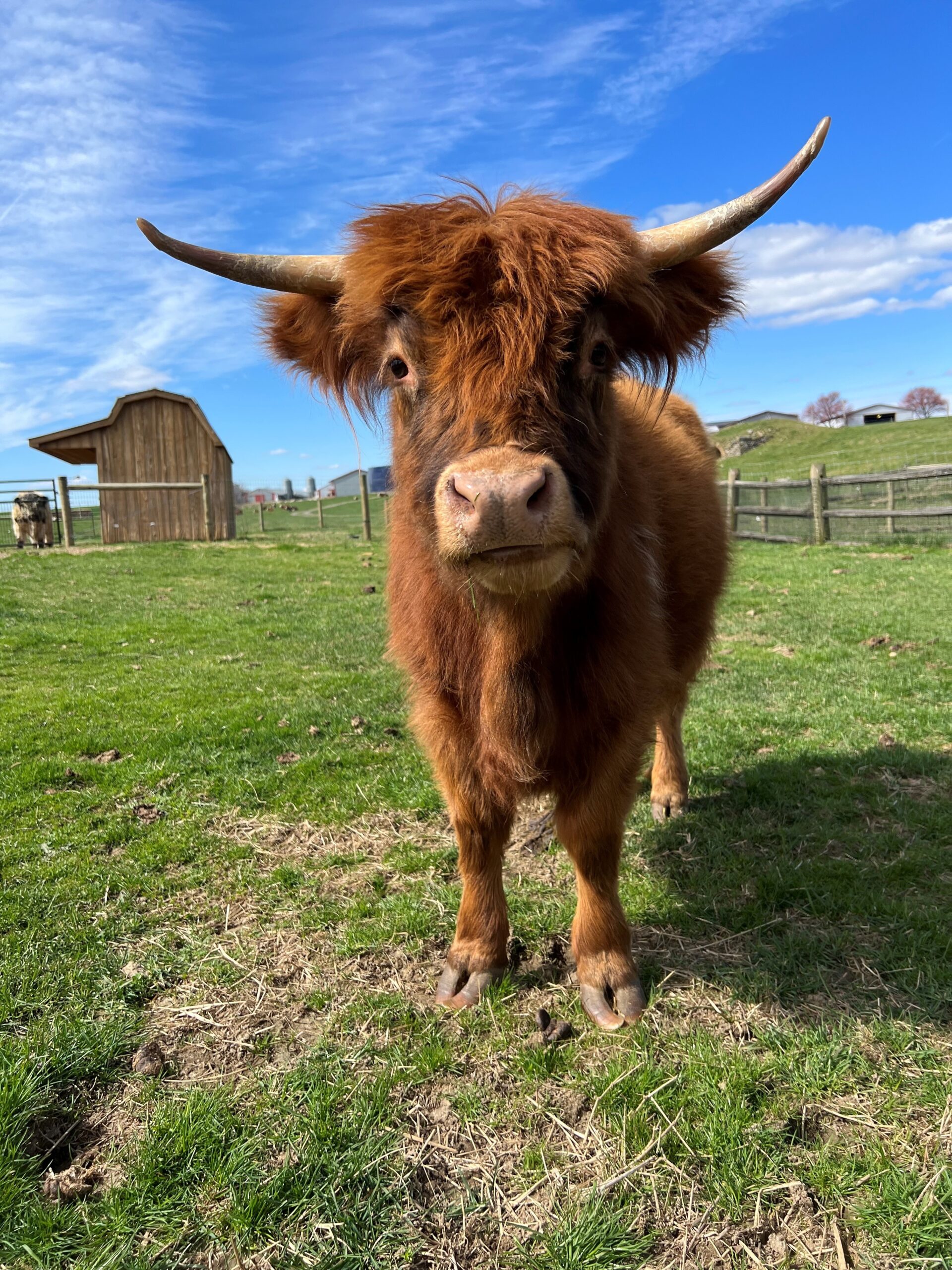
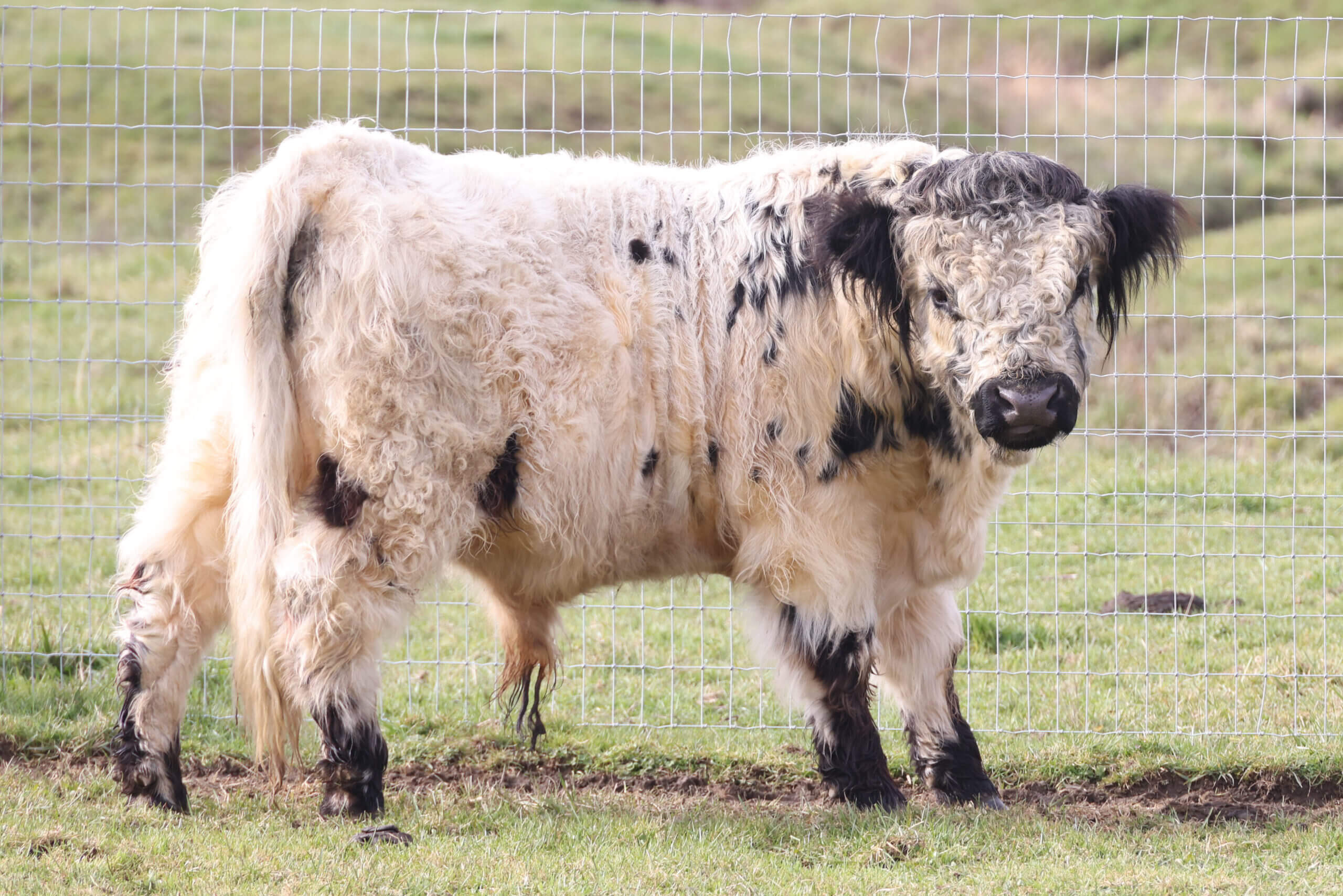
Highland cows are uniquely recognized for their long, shaggy coats and impressive horns, adapted for harsh climates and known for their gentle nature.
How often do highland cows need grooming?
Highland cows are known for their naturally thick coats, requiring minimal grooming. Regular brushing, especially during shedding seasons, helps maintain their coat health and manage loose hair.
What is the breeding process for highland cows?
The breeding process for Highland cows at Cherry Crest Farm focuses on responsible practices to maintain breed standards and ensure healthy offspring.
How do highland cows contribute to farming?
Highland cows contribute to farming through their gentle nature, making them excellent for agritourism and responsible breeding programs. They are also known for their hardiness.
What are the benefits of owning highland cows?
The benefits of owning Highland cows include their gentle nature and unique appeal, making them wonderful companions and potentially valuable additions to your farm.
How do highland cows behave in herds?
Highland cows are known for their gentle demeanor and typically form cohesive, calm herds. They are social animals that interact peacefully within their groups.
What is the historical significance of highland cows?
The historical significance of Highland cows lies in their ancient Scottish origins, dating back centuries as a hardy breed adapted to the rugged Highlands.
How can highland cows be trained effectively?
Highland cows can be trained effectively through positive reinforcement, patience, and consistency, focusing on their gentle nature for a rewarding experience.
What are the differences between highland cows and other breeds?
Highland cows are distinct due to their long, shaggy coats, impressive horns, and gentle temperament, setting them apart from many other cattle breeds.
How do highland cows impact the environment?
Highland cows have a positive environmental impact. Their grazing habits help maintain grasslands and prevent soil erosion, contributing to a healthier ecosystem.
What are the best practices for highland cow care?
Best practices for Highland cow care include providing ample pasture, fresh water, shelter from extreme weather, and regular veterinary check-ups.
How do highland cows react to new environments?
Highland cows are known for their gentle nature, making them adaptable to new environments. They tend to be curious and calm when introduced to new surroundings.